50 Leaders in Law - Volume 4
5 February 2026
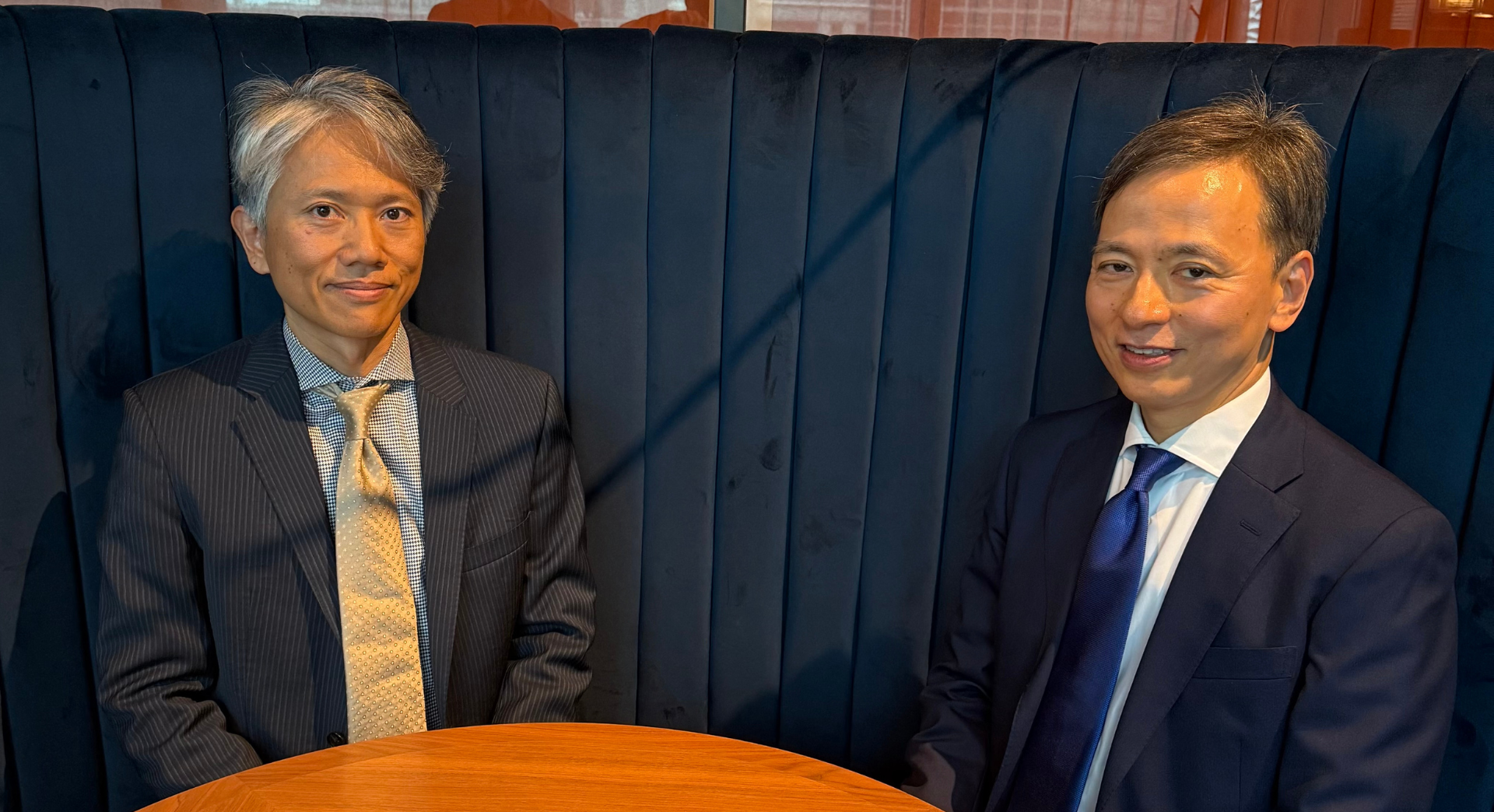
Lunch with Eshima-sensei -
Before I realized it, nearly 20 years had passed since we first met.
Perhaps because we’ve shared so much time over the years, I can say this with confidence: his presence has always been consistent. Calm in demeanor. Thoughtful in his words. Never making others feel guarded.
He brings humor when appropriate, yet never disrupts the atmosphere of the room.
Today, the value and significance of in-house lawyers—especially General Counsel as part of senior management—are widely recognized. But when Eshima-san moved in-house more than 20 years ago, that perspective barely existed in Japan. In fact, there was even a bias that going in-house meant you hadn’t succeeded in private practice.
Against that backdrop, he steadily built credibility through both hands-on legal work and management, earning the trust of those around him.
The respect that the in-house legal profession now commands is the result of efforts by pioneers like him. I believe Eshima-san is one of those who quietly helped shape that evolution from the inside.
What often comes up in conversation is his ability to make decisions. But “decision-making” is a complex skill.
Personally, I see Eshima-san as a business leader who excels at eliminating "noise."
He is careful not to introduce unnecessary friction into stakeholders’ time or decision-making processes. To do that, one must accurately distinguish signal from noise.
Sometimes this shows up in very small things—how an approval request is framed, for example.
Yet each of these small choices accumulates into trust, eventually leading people to think, “If he’s handling it, we’ll be fine.”
I feel that this is the source of his calm presence.
As a recruiter who meets many lawyers, this difference becomes apparent very quickly.
Those who have been involved in real decision-making—and who have carried both accountability for explanation and responsibility for outcomes—have a distinct sense of gravity.
Eshima-san is exactly that kind of person.
He shared with me that recently, a younger lawyer had come to him for career advice.
He admitted that, at first, he wondered how helpful he could really be.
But once they started talking, he realized how many common threads there were—the path they are walking as lawyers, the challenges and rewards, the anxieties and sense of purpose. He said he was struck by how much overlap there was with today’s younger generation.
To younger professionals, someone like Eshima-san may seem as though he exists “above the clouds.”
But in reality, where he stands today and where younger lawyers stand now are not disconnected.
They are on the same ground—he simply happened to be ahead of them. Because he himself has traveled that path, he deeply understands the situation young professionals find themselves in today.
He is now hoping to create more opportunities to share his experiences with the next generation.
He measures value not by title, not by authority, but by what one can give back to their community.
I believe that mindset is one of the reasons he comes across as a leader who transcends the traditional boundaries of being a lawyer.