




Blog

本日、15年以上前から存じ上げている方とランチをご一緒する機会がありました。 その方が転職活動をされていた頃のことを、思い出したのですが、当時はかなりご苦労されていたように記憶しています。ご本人も自信を失われていましたし、転職活動も決して順調とは言えませんでした。 その後も何度か転職を経験され、決して一直線のキャリアではなかったと思います。しかし、久しぶりにお会いすると、とてもお元気そうでした。現在のお仕事にやりがいを感じておられ、会社からも信頼されていることが自然と伝わってきました。 何より印象的だったのは、 「あの当時は本当に何も知りませんでした。でもいろんな経験をし、ときには会社選びに失敗もしたからこそ、今の会社に出会えて本当に良かったなと感じられます」 とのコメントです。 転職を考えるとき、誰しも失敗したくありません。だからこそ慎重になりますし、不安にもなります。 ただ、長くこの仕事をしていて感じるのは、キャリアは後になってみないと分からないということです。 その時は失敗だと思った選択が、後から振り返ると必要な経験だったということも少なくありません。 今日のランチは、そんなことを改めて考えさせてくれる時間でした。

新しいポジションを受けることは、キャリアにおける大きな決断です。新しいHR職への転職であれ、より上位のリーダーシップポジションへの昇進であれ、多くの人は採用プロセスで説明された職務内容、企業文化、キャリアパスが実際の仕事と一致することを期待しています。 しかし、実際に働き始めてみると、想像していたものと違うと感じることがあります。 例えば、戦略的な役割だと思っていたのに日々のオペレーション業務が中心だったり、面接で聞いていた企業文化と現実が大きく異なったり、期待していたほどの裁量権や影響力が与えられていなかったりすることがあります。 もし新しい職場で働き始めて間もなく、「本当に正しい転職だったのだろうか」と考えているのなら、決してあなただけではありません。これはHRマネージャーやHRビジネスパートナーから、HRディレクター、人事部長(Head of People)、CHROに至るまで、多くのHRプロフェッショナルが経験する問題です。 幸いなことに、入社直後の不安が必ずしも転職の失敗を意味するわけではありません。履歴書を更新したり、次の転職活動を始めたりする前に、まずは状況を客観的に評価し、一時的な問題なのか、本当に自分に合わない環境なのかを見極めることが重要です。 なぜ新しい職場は入社後に違って感じるのか 採用プロセスをどれだけ丁寧にしたとしても、限界があります。 面接では企業の一部しか見ることができず、実際の日常業務のすべてを知ることはできません。また、候補者自身も次のキャリアで実現したいことのみに注目して機会を評価する傾向があります。 そのため、期待と現実が完全に一致しないことはよく起こります。 SHRM(米国人材マネジメント協会)の調査によると、職務内容、マネジメント、企業文化、キャリア成長に対する期待とのギャップは、入社後の不満や早期離職につながる代表的な要因とされています。 採用時には理想的に見えたポジションでも、実際に働き始めると全く違った印象を受けることがあります。 ただし、それだけでそのポジションが自分に合わないとは限りません。重要なのは、大きな決断を下す前に状況を慎重に見極めることです。 このポジションは自分に合わないかもしれないと感じるサイン 新しい仕事には学習期間がつきものですが、特に注意すべき兆候もあります。 採用時に聞いていた仕事内容と大きく異なる 最も分かりやすい警告サインの一つが、面接で説明された内容と実際の業務内容に大きな差がある場合です。 例えば、 戦略的なHRポジションが実際にはオペレーション業務中心である 意思決定権限が想定より大幅に限定されている 面接で説明された重要プロジェクトが存在しない 報告ラインや組織構造が大きく異なる 多少の相違はどの企業にもありますが、大きな相違がある場合は詳しく確認する必要があります。 期待されている役割が不明確 優秀なHRプロフェッショナルほど、明確な期待値のもとで高い成果を発揮します。 数週間経っても優先順位や目標、成功の基準が分からない状態が続くと、大きなストレスとなり、本来のパフォーマンスを発揮しにくくなります。 オンボーディングが整理されていない Gallupの調査では、効果的なオンボーディングが従業員エンゲージメントや定着率向上に大きく寄与することが示されています。 オンボーディングが不十分な場合、新入社員は期待値を理解できず、自信を持って業務を進めることが難しくなります。 以下のような状況には注意が必要です。 サポートやトレーニングが不足している 上司との定期的な面談がない 職務範囲が曖昧 関係者との紹介が遅れている 最初の数か月の計画がない 適応期間が必要な企業もありますが、継続的であった場合は、成果を出す妨げになります。 企業文化が想像と違う 企業文化は入社前に最も見極めるのが難しい要素の一つです。 協力的で裁量のある環境を期待していたのに実際は非常に階層的な組織だったり、革新的でスピード感のある会社だと思っていたのに実際は慎重で保守的だったりすることもあります。 MIT Sloan Management Reviewの調査では、有害な職場文化は離職を引き起こす最も大きな要因の一つであり、給与以上に従業員の意思決定に影響を与えることが示されています。 HRプロフェッショナルにとって、文化との適合性はエンゲージメントや影響力、長期的な成功に直結します。 キャリアアップの機会が限られている 多くのHRプロフェッショナルは、経験の幅を広げたり、より戦略的な役割を担ったり、リーダーシップポジションへ進むために転職します。 しかし、キャリアパス、メンタリング、リーダーシップ開発の機会が採用時の説明より大幅に少ない場合は、そのポジションが長期的な目標達成に役立つかどうかを再評価する必要があります。 焦らず状況を見直す方法 転職後すぐに「この仕事は合わない」と判断してしまうことは、多くの人が陥りがちな失敗です。 新しい職場では、 新しいシステムに慣れる 人間関係を再構築する 組織の仕組みを理解する 新しい働き方に適応する といった多くの変化があります。 そのため、不安や迷いを感じることは自然なことです。 感情的な判断ではなく、段階的に状況を評価しましょう。 最初の30日間 事業理解、人間関係構築、成功基準の把握に集中する。 60日後 当初の懸念が改善しているのか、十分なサポートや機会が得られているのかを確認する。 90日後 課題が一時的なものなのか、組織に根本的な問題があるのかを判断する。 その間、自分自身に次の質問を投げかけてみましょう。 一時的な課題に反応しているだけではないのか? 第一印象だけで判断していないか? 会社に十分な時間を与えたか? 12か月後もここで働く自分を想像できるか? 忍耐とは問題を無視することではありません。正しい判断を下すための時間を確保することです。 組織の問題なのか、文化の違いなのかを見極める これは日本で働くHRプロフェッショナルにとって特に重要です。 日本には伝統的な日系企業から、多国籍企業、APAC統括拠点までさまざまな組織が存在し、それぞれ意思決定プロセスやコミュニケーションスタイルが大きく異なります。 例えば、 · 意思決定が遅いと感じるのは合意形成のためかもしれない · 裁量が少ないと感じるのは協力を重んじるリーダーシップ体制の表れかもしれない そのため、問題が組織そのものにあるのか、新しい環境への適応にあるのかを慎重に見極めることが重要です。 上司と率直に話し合う 適応期間を過ぎても不安が続く場合は、まずコミュニケーションを取るべきです。 多くの職場の課題は建設的な対話によって解決できます。 不満を伝えるだけではなく、理解を深める姿勢で話し合いましょう。 例えば、 優先順位や期待値の確認 将来の役割についての理解 キャリア成長機会の相談 研修や育成ニーズの共有 短期・長期目標のすり合わせ などが有効です。 優れたリーダーであれば、こうした対話を歓迎し、より透明性の高い説明をしてくれるでしょう。 場合によっては、問題だと思っていたことが単なるコミュニケーション不足だったというケースもあります。 転職を考えるべきタイミングとは もちろん、我慢や対話だけでは解決しない場合もあります。 例えば、 仕事内容が大きく異なって説明されていた 継続的なカルチャーの不一致 経営陣への信頼が持てない 成長機会がほとんどない 業務量が持続不可能 改善を求めても状況が変わらない こうした場合は、新たな機会を検討することも合理的な選択です。 特にHR Director、Head of People、CHROなどのシニアリーダーにとっては、キャリアへの影響が大きいため、感情ではなく事実に基づいて判断することが重要です。 なお、多くの採用責任者は「すべての転職が成功するわけではない」ことを理解しています。 短期間での離職が一度あったとしても、その理由をプロフェッショナルに説明できれば、大きな問題になることはほとんどありません。 初期の不安をより良いキャリア判断につなげる 新しい仕事が期待通りではなかったと気づくことは、決して気持ちの良い経験ではありません。 しかし、優秀なHRプロフェッショナルほど感情的に反応せず、 状況を理解する 事実を集める オープンに対話する 長期的視点で判断する というプロセスを踏みます。 時間が経つにつれて不安が解消されることもありますし、次のキャリアで本当に求めるものを明確にしてくれる貴重な経験になることもあります。 Just HRでは、日本およびAPAC地域におけるHRリーダー向けのエグゼクティブサーチを専門としており、キャリアの意思決定をサポートし、志向やリーダーシップスタイル、専門性に合った機会を紹介しております。 現在のポジションが本当に自分に合っているのか悩んでいる方、あるいは次のリーダーシップキャリアを検討している方は、ぜひお気軽にご相談ください。

冒頭文 日本において経験豊富なHRリーダーへの需要が高まり続ける中、企業は優秀な人材の採用に多くの時間とリソースを投資しています。特に東京では、多国籍企業や成長企業が、限られたバイリンガルHR人材を巡って争奪戦をしており、適切な候補者を確保することはますます難しくなっています。 しかし、適切な人材を採用することは成功への第一歩に過ぎません。 Just HRでは、多くの企業が採用プロセスに重点を置く一方で、新たなHRリーダーが入社した後のプロセスの重要性を過小評価しているケースを目にします。最初の90日間は、Head of HR、HR Director、CHROといったHRリーダーが信頼を築きながら重要な関係性を構築し、事業目標へ貢献するうえで非常に重要な期間です。 この移行期間への重要性を決して軽視してはいけません。McKinseyの調査によると、経営幹部の異動や就任のうち、27%から46%が2年以内に失敗または期待外れと評価されており、オンボーディングと組織への定着が長期的な成功において重要な役割を果たしていることを示しています。 日本でHR採用を行う企業にとって、体系的なオンボーディングは長期的な成功の可能性を大きく高めることができます。 優先事項と期待値を明確にする 新たに就任したHRリーダーが直面する最も一般的な課題の一つは、企業が何を期待しているのかを正確に理解することです。 シニアHRポジションは通常、特定の経営課題を解決するために採用されます。 例えば、 リーダーシップ強化 組織成長の支援 人員計画の改善 HR変革の推進 人事プロセスの高度化 などが挙げられます。 しかし、こういった優先事項が入社後に明確に共有されていないケースがあります。 新しいHRリーダーが入社する前に、企業は以下の点について認識を揃えておくべきです。 人材面で最も重要な経営課題は何か 最初の12か月で達成すべき成果は何か 成功をどのように測定するのか どの程度の権限と意思決定責任を持つのか 日本のHR採用市場では、戦略的なHRリーダーを採用しながら、同時に多くのオペレーション課題への対応も期待するケースが少なくありません。 早い段階で優先順位を明確にすることで、混乱を防ぎリーダーが最も価値を発揮できる領域に集中できるようになります。 優れたHRリーダーは、人事責任者であると同時にビジネスリーダーでもあります。人材に関する意思決定が、業績、成長、そして長期的な企業成功にどのような影響を与えるかを理解しています。 入社前に経営陣の認識を揃える 成功するオンボーディングは、入社初日より前から始まっています。 新任HRリーダーの成功を妨げる最大の要因の一つは、経営層の期待が一致していないことです。 CEOが描く役割像と、事業部門責任者、地域責任者、本社が期待する役割が異なることは珍しくありません。 これは特に東京に拠点を持つグローバル企業でよく見られる課題です。 入社前に経営陣は以下について合意しておく必要があります。 役割の目的 短期・長期の優先事項 レポートライン KPI 組織変革に対する期待値 こうした認識のすり合わせにより、企業と新任HRリーダー双方にとって明確な方向性が示されます。 主要ステークホルダーとの関係構築を促進する シニアHRリーダーにとって、オンボーディングとは単にシステムやプロセスを学ぶことではありません。 重要なのは、人、関係性、そして意思決定の仕組みを理解することです。 優れたHRリーダーは、最初の数週間で組織内のさまざまな関係者と対話し、ビジネスの仕組みや課題を理解することに時間を費やします。 企業は以下の関係者との接点を早期に設けることで、このプロセスを加速できます。 経営陣 事業部門責任者 地域・グローバルのステークホルダー 各部門責任者 組織内で影響力を持つマネージャー こうした対話から得られる情報は、レポートや資料だけでは把握できない貴重な知見となります。 HRを戦略的ビジネスパートナーとして位置付ける 多くの企業は、HRに、より戦略的な役割を期待してシニアHR人材を採用します。 しかし、重要な経営判断が行われる場に参加できなければ、HRリーダーは本来の価値を発揮できません。 最初の90日間では、以下のようなテーマに関する議論へ参加する機会を提供するべきです。 事業成長戦略 人員計画 後継者計画 組織設計 タレント戦略 組織変革プロジェクト 優れたHRリーダーは、戦略を実行するだけではありません。戦略そのものの形成にも貢献します。 変革を急がず早期成果を実現する 新しいリーダーには、すぐに成果を出すことが求められがちです。 しかし、HRリーダーの移行期間の成功は、最初の数か月で大規模な変革を行うことによって評価されるものではありません。 まず重要なのは信頼を築くことです。 例えば、 長年放置されていた課題の解決 部門間コミュニケーションの改善 採用プロセスの改善 人員計画の明確化 といった取り組みです。 一見小さな成果に見えても、それが信頼と評価の基盤となります。 HRリーダーにとって、信頼の獲得こそが将来的な組織変革の土台となります。 成功に必要なリソースを提供する どれほど優秀なHRリーダーであっても、適切な支援がなければ成功できません。 企業は以下へのアクセスを提供するべきです。 人員データおよび組織データ 既存の人事戦略 予算情報 HRシステム 社内外の主要ステークホルダー 施策実行に必要なリソース オンボーディングで発生する課題の多くは能力不足ではなく、情報や支援の不足によるものです。 長期的な成功を支援する 最初の90日間は長いキャリアの始まりに過ぎません。 成功している企業は、正式なオンボーディング終了後も継続的に支援、フィードバック、コミュニケーションを行っています。 定期的な対話や経営陣との接点を維持することで、長期的な成功の可能性は大きく高まります。 日本における強いHRリーダーシップチームの構築 日本のHR採用市場は進化を続けており、経験豊富なHRリーダーの獲得競争はますます激しくなっています。 特に東京では、多国籍企業、本社もしくはリージョナルヘッド機能をもつ企業、成長企業を中心にバイリンガルHR人材への需要が高い状況が続いています。 適切な人材を採用することは重要な成果ですが、長期的な成功は採用だけで決まるものではありません。 明確な優先事項、経営陣の認識合わせ、ステークホルダーとの接点、そして価値を発揮できる環境を提供する企業こそが、HRリーダーへの投資効果を最大化できるのです。 Just HRは、日本国内の企業と連携し、事業成長や組織開発を推進できるHRリーダーの採用を支援しています。 私たちがエグゼクティブサーチを通じて確信していることは、成功する採用とは「適切な人材を採用すること」だけでなく、「その人材が成功できる環境を整えること」によって実現されるということです。

Anthony Luna: Where Career Transformation Meets Innovation Anthony Luna did not set out to become a legal leader in Japan. His journey began far from corporate boardrooms, shaped instead by practical necessity, early responsibility, and courage to step into unfamiliar territory - the kind that could unsettle many, yet reveals its value only to those committed to excellence and continued self-transformation. He grew up in circumstances that necessitated early independence. Having financed his higher education entirely on his own, not uncommon in the U.S., for him law was initially a dream calling. But it was one with significant personal financial risk if he failed to succeed. It was also a rational decision - one of the few professions that offered both financial flexibility and, importantly, the opportunity to be useful to others. His commitment to doing work that mattered would remain a constant throughout his life. Despite being a familiar figure in Japan’s legal community today, Anthony’s connection to the country was anything but inevitable. His first encounter with Japan came unexpectedly in high school, when a Japanese-American friend invited him along on a family trip to Tokyo and Okinawa. At the time, it felt incidental - an interesting summer experience, nothing more. Only years later would that early exposure reveal itself as the opening chapter of a much longer story. Years later, that early encounter with Japan resurfaced in a practical way. Looking for initial employment after university - and to grow and experience life beyond California - Anthony applied to overseas English-teaching programs in both Europe and Japan. He was selected for the Japanese government’s JET Programme (Japan Exchange and Teaching Programme), an initiative that places young professionals in schools and local governments across the country to support education and international exchange. Anthony was initially assigned to a high school in Yokohama, but after intensive self-driven Japanese study and later successfully passing the Level 1 Japanese Proficiency Exam after approximately two years of self study, he transitioned into Yokohama City Government, working directly with the mayor’s office at the Office of International Relations. What began as basic support on international matters quickly evolved into a far more demanding role. He found himself taking an active role in meetings including senior local politicians, mayors and chambers of commerce presidents, executives from Japan-based companies, and visiting U.S. military officials - often as the youngest person in the room, and often the only foreigner on the Japanese side of the table. One of his first assignments was to help greet and interpret for the former U.S. Vice President Walter Mondale and the Mayor of Yokohama City, a great moment for him that also humbled him and made him realize how much more he would need to grow in so many ways. “That was actually one of my first assignments. I didn’t do very well, to be honest - but the experience opened my eyes - both to the opportunities ahead and to how much I still had to learn, and how quickly I would need to grow to be a professional in any setting.”
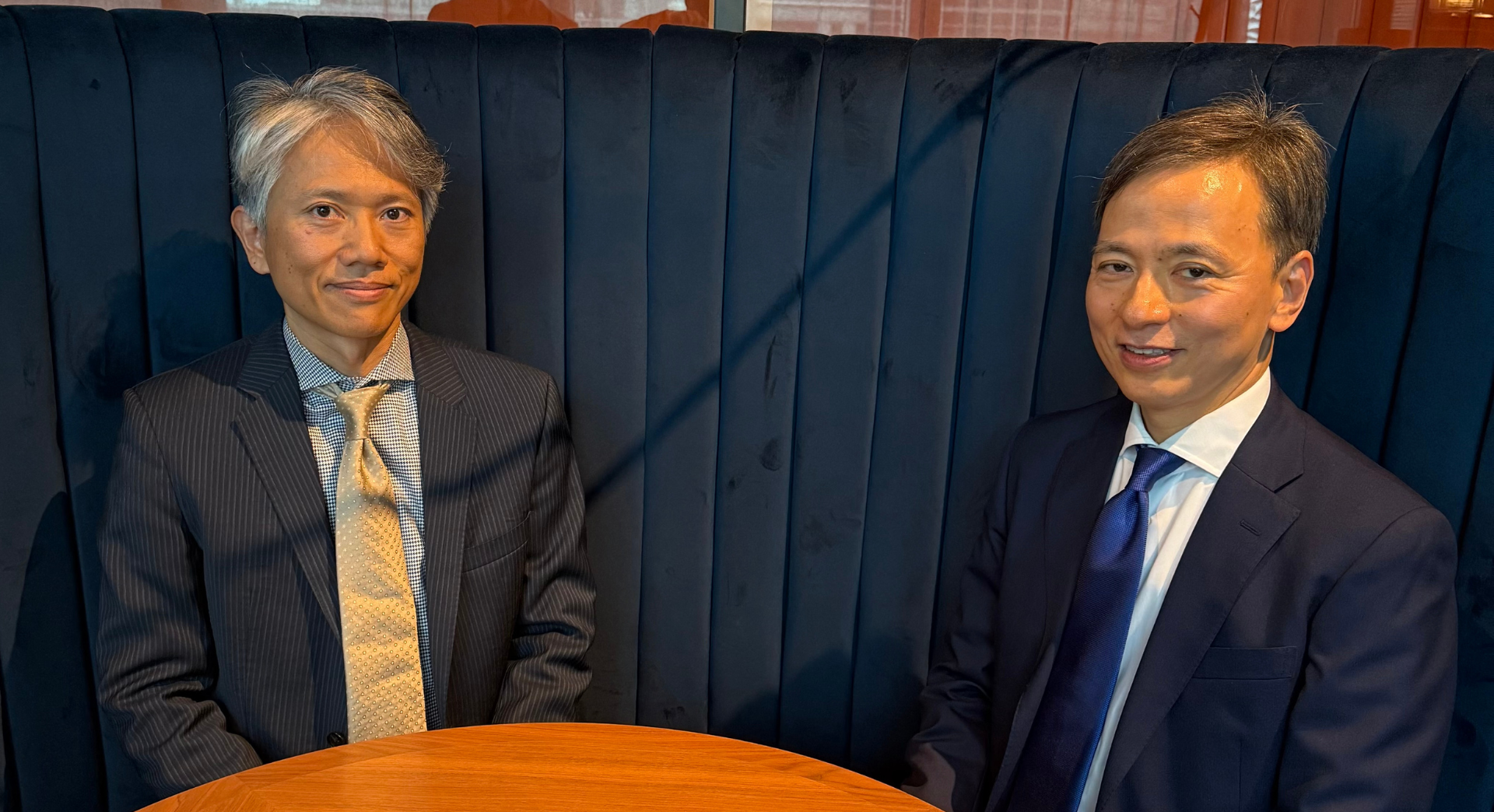
Lunch with Eshima-sensei - Before I realized it, nearly 20 years had passed since we first met. Perhaps because we’ve shared so much time over the years, I can say this with confidence: his presence has always been consistent. Calm in demeanor. Thoughtful in his words. Never making others feel guarded. He brings humor when appropriate, yet never disrupts the atmosphere of the room. Today, the value and significance of in-house lawyers—especially General Counsel as part of senior management—are widely recognized. But when Eshima-san moved in-house more than 20 years ago, that perspective barely existed in Japan. In fact, there was even a bias that going in-house meant you hadn’t succeeded in private practice. Against that backdrop, he steadily built credibility through both hands-on legal work and management, earning the trust of those around him. The respect that the in-house legal profession now commands is the result of efforts by pioneers like him. I believe Eshima-san is one of those who quietly helped shape that evolution from the inside. What often comes up in conversation is his ability to make decisions. But “decision-making” is a complex skill. Personally, I see Eshima-san as a business leader who excels at eliminating "noise." He is careful not to introduce unnecessary friction into stakeholders’ time or decision-making processes. To do that, one must accurately distinguish signal from noise. Sometimes this shows up in very small things—how an approval request is framed, for example. Yet each of these small choices accumulates into trust, eventually leading people to think, “If he’s handling it, we’ll be fine.” I feel that this is the source of his calm presence. As a recruiter who meets many lawyers, this difference becomes apparent very quickly. Those who have been involved in real decision-making—and who have carried both accountability for explanation and responsibility for outcomes—have a distinct sense of gravity. Eshima-san is exactly that kind of person. He shared with me that recently, a younger lawyer had come to him for career advice. He admitted that, at first, he wondered how helpful he could really be. But once they started talking, he realized how many common threads there were—the path they are walking as lawyers, the challenges and rewards, the anxieties and sense of purpose. He said he was struck by how much overlap there was with today’s younger generation. To younger professionals, someone like Eshima-san may seem as though he exists “above the clouds.” But in reality, where he stands today and where younger lawyers stand now are not disconnected. They are on the same ground—he simply happened to be ahead of them. Because he himself has traveled that path, he deeply understands the situation young professionals find themselves in today. He is now hoping to create more opportunities to share his experiences with the next generation. He measures value not by title, not by authority, but by what one can give back to their community. I believe that mindset is one of the reasons he comes across as a leader who transcends the traditional boundaries of being a lawyer.
UBS 証券の取締役法務部長、江島文孝弁護士とランチをご一緒しました。 江島様とは、気づけばもう20年近いお付き合いになります。長い時間を共有してきたからこそ分かるのですが、彼の印象は昔から一貫しています。落ち着いた佇まい。言葉は丁寧で、相手を構えさせない。必要な場面ではユーモアも交えつつ、決して場の空気を乱さない。 今でこそインハウス弁護士、とくに経営の一部としてのゼネラル・カウンセルの存在意義やバリューの高さは広く認識されていますが、江島様がインハウスに移られた20年以上前の日本では、そのような見方はほとんどありませんでした。むしろ、「事務所で成功しなかったから企業に行く」という偏見すらあった時代です。 その中で、実務とマネジメントの両面から地道に価値を積み上げ、周囲を納得させてきた。今、インハウス弁護士という職域が尊敬をもって語られるようになった背景には、こうした先駆者たちの積み重ねがあります。江島様は、まさにその流れを内側から静かにつくってきた一人だと思います。 お話の中で話題になるのは決断する力です。「決断力」と一言で言っても、その中身は複雑です。個人的には、江島様は“ノイズを消すこと”に長けたビジネスリーダーではないか、と思います。ステークホルダーの時間や意思決定プロセスに、余計なノイズを入れない。そのためには、何がシグナルで何がノイズなのかを正確に見極める必要があります。 それは時に、承認申請の仕方といった、ごく小さなことかもしれません。ただ、その一つひとつの積み重ねが信頼となり、結果的に「この人に任せれば大丈夫」という評価につながっていく。江島様の落ち着きの正体は、そこにあるように感じます。 リクルーターとして多くの弁護士と会っていると、この違いはすぐに分かります。意思決定に関与し、説明責任と結果責任を引き受けてきた人には、独特の重心があります。江島様は、まさにそのタイプです。 最近、江島様は若手弁護士からキャリア相談を受けたそうです。その際、ご自身がどれほど役に立てるのか不安に思う瞬間もあったと話してくれました。しかし実際に話してみると、弁護士として通ってきた道、面白さ不安、やりがいなど、今の若者とも多くの共通点を見出したとおっしゃいます。 若い人から見ると、江島様のような存在は「雲の上」にいるように見えるかもしれません。しかし、彼がいる場所と、今の若手が立っている場所は、決して断絶していません。同じ陸地の上を歩き続けた結果、今そこにいる。かつて自分自身が通ってきた道だからこそ、今の若手が置かれている状況をよく理解している。 今は、これまでの経験をもっと若い世代と共有する機会を持ちたいと考えているそうです。 肩書きではなく、権限でもなく、コミュニティに何を残せるかで価値を測る。 その姿勢が、江島様が弁護士の枠を超えたリーダーだと感じさせる一つの理由だと思います。
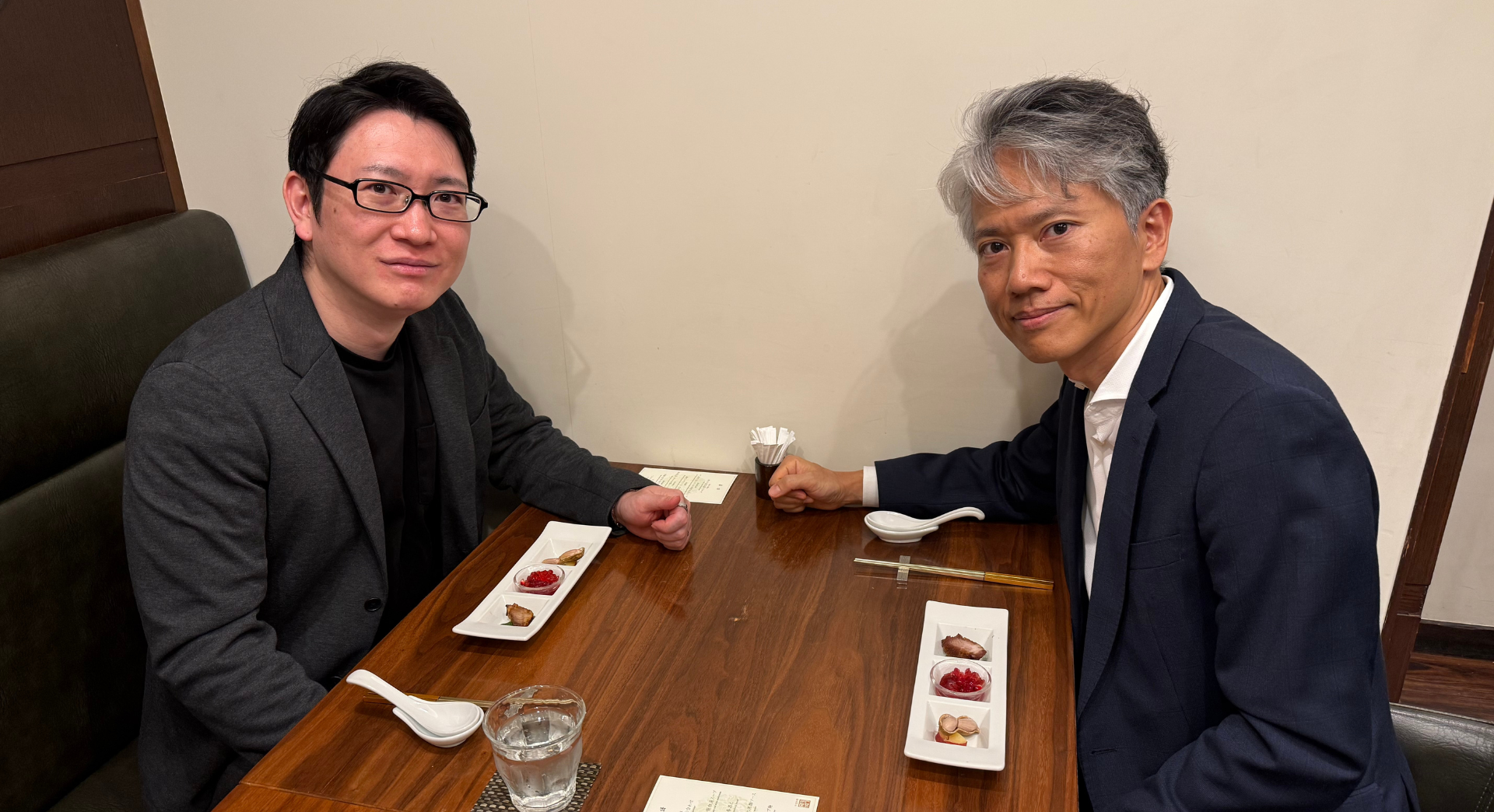
BuySell Technologies執行役員・法務コンプライアンス室長の尾崎健吾氏に、キャリアの転機、法務組織づくり、現場に寄り添うインハウス法務の実践とリーダーシップを聞く。
An in depth conversation with Kengo Ozaki, Executive Officer and Head of Legal and Compliance at BuySell Technologies, on career inflection points, in house leadership, and building legal functions close to the business in Japan.
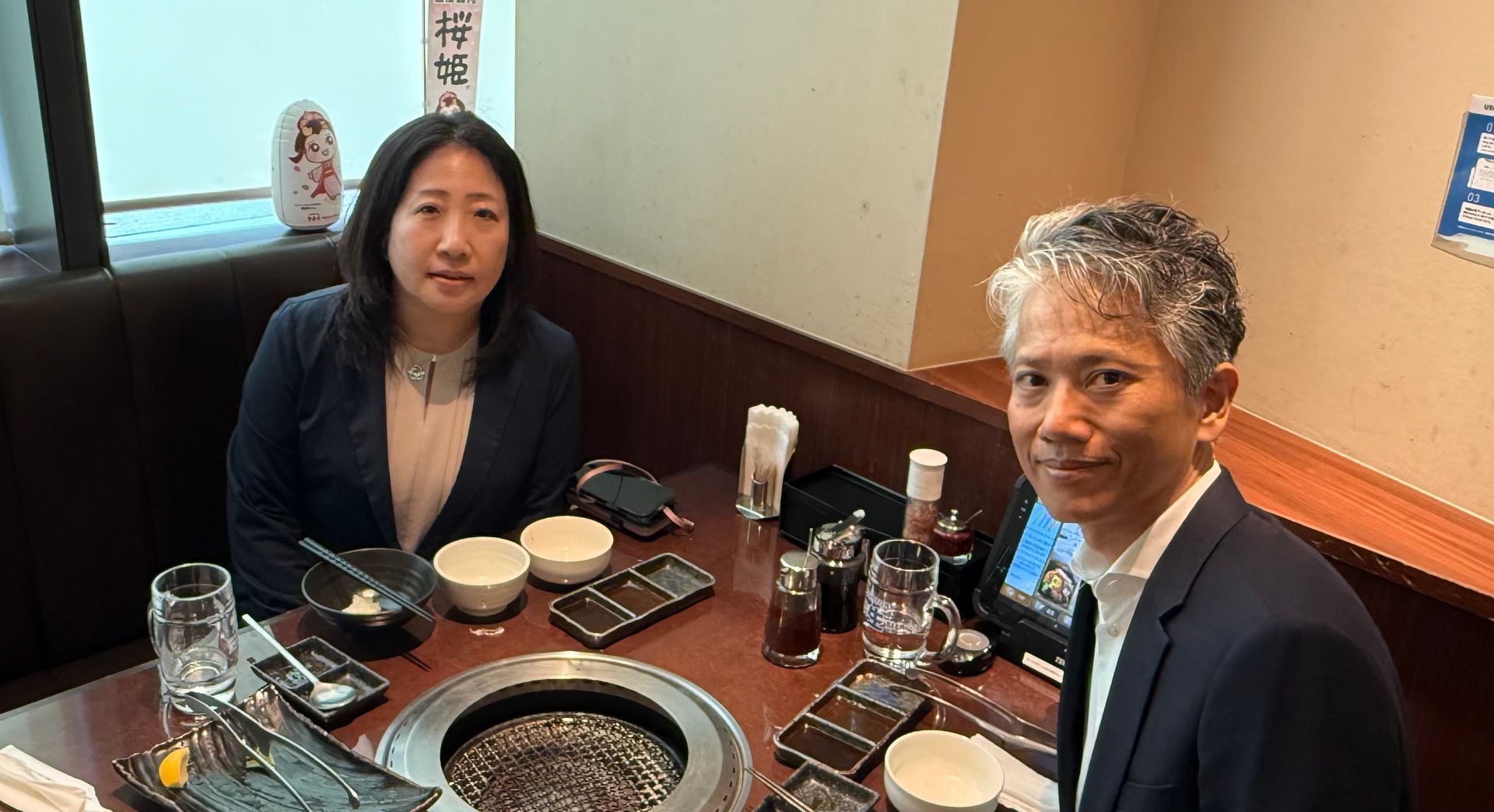
変革を推進できる弁護士は日本では少ない——そう言われがちですが、実際には確かなリーダーが存在します。 Just Legalでは、日本の法曹界で活躍する50名のリーガルリーダーにお会いするプロジェクトを進めています。今回ご紹介するのは、半導体関連のグローバル企業で活躍されている児玉薫さんです。 児玉さんは英国弁護士資格を持ち、Big Lawで研鑽を積んだ法務プロフェッショナルです。いわゆる「先生」的な立ち位置ではなく、“サービス・ソリューション提供者”としてビジネスに伴走する姿勢を大切にされており、これまでのインハウス経験を通じて培われたリーダーとしての視点が非常に印象的でした。 「法務の役割は、ビジネスを前に進めるために寄り添うことだと思っています。」 これまで複数の企業でインハウス法務として経験を重ね、直近ではスタートアップにおいて法務部門をリード。環境やフェーズの異なる組織の中で、実務と意思決定の双方を支えてきた実績をお持ちです。 「仕組みを変えるには、まずその仕組みが“なぜ存在するのか”を理解することが必要です。」 この言葉のとおり、拙速な改革ではなく、理解・共感・対話を土台にしながら、組織に前進をもたらしていく——その姿勢こそが、児玉さんのリーダーシップの核だと感じました。 グローバルな基準とローカルな感覚を併せ持ち、調和を大切にしながらも着実なアップデートを重ねていく。現職では、組織に前進をもたらす役割を担われていることがうかがえ、その進め方は、まさに時代に求められるリーガルリーダー像の一つだと感じました。 児玉さん、お忙しい中お時間をいただき、貴重なお話を本当にありがとうございました。次世代のリーガルリーダーにとって、大きな示唆となる内容でした。
It is often said that lawyers who can also contribute to an organization’s forward progress are rare in Japan. And yet, such leaders certainly exist. At Just Legal, we are continuing our project to meet 50 legal leaders active in Japan’s legal community. Today, I’d like to introduce Ms. Kaoru Kodama , who plays a key legal role at a global company closely connected to the semiconductor industry. Kodama-san is a UK-qualified lawyer with Big Law training. Rather than positioning herself as a traditional “sensei,” she approaches her role as a service and solution provider, working closely alongside the business. That mindset, shaped through years of in-house experience, was particularly striking. “Legal should stay close to the business and help it move forward.” Over the course of her career, she has held several in-house legal roles, and most recently led the legal function at a start-up. Working across organizations at very different stages has given her a balanced perspective on both execution and decision-making. “You can’t improve a system unless you first understand why it exists.” True to this view, her approach is not about rapid or disruptive change, but about building understanding, trust, and dialogue — and from there, enabling steady forward movement within the organization. Combining global standards with a strong sensitivity to local context, she values harmony while continuing to raise the bar in a thoughtful and measured way. In her current role, it is clear that she is contributing as a leader who brings forward momentum to the organization, in a manner well suited to today’s environment. Kodama-san, thank you very much for taking the time to share your perspectives. Your insights offer meaningful guidance for the next generation of legal leaders in Japan.
